
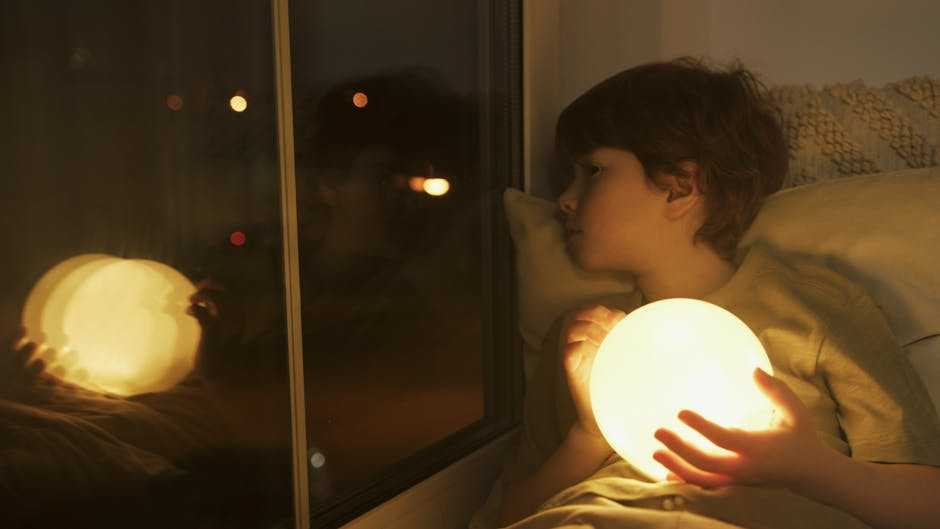
The Value of Being Alone
We’re built for connection no doubt. But constant connection? That’s where things get messy. There’s a real cost to never hitting pause. Alone time isn’t a luxury; it’s a hard reset. It gives your mind room to stretch and your emotions space to settle.
When you strip away the noise notifications, conversations, the pressure to perform you give yourself one rare gift: quiet. And in that quiet, things start to line up. Mental clutter clears. Creative ideas bubble up. The stuff that actually matters has a shot at being heard.
Being alone doesn’t mean being lonely. It means being with yourself, fully. That’s where clarity lives. That’s where calm has a chance. And frankly, that’s where some of your best thinking starts.
What Happens When You Don’t Get It
Even the most extroverted people need moments to themselves. When that time gets neglected, the effects are more than just minor mood swings.
Signs You’re Running on Empty
Constantly feeling mentally or emotionally drained
Growing resentment toward people or responsibilities
Sensory overload too much noise, too many demands
Difficulty focusing or making decisions
These are often signs that your internal bandwidth is maxed out and your need for solitude is being ignored.
Impact on Relationships and Energy
Without intentional alone time, it’s much harder to:
Be fully present in conversations or relationships
Respond with patience instead of reactivity
Regulate your emotions during high stress moments
Being everything for everyone can silently erode your ability to show up for anyone, including yourself.
When Boundaries Start to Blur
Lack of alone time can also lead to chronic burnout, especially when:
Personal and work boundaries start to fade
Every spare minute is filled with obligation, not restoration
Saying “yes” becomes automatic even when you’re not okay
Making space for yourself isn’t indulgent. It’s how you avoid crashing.
Benefits You Can Actually Feel

Step away from the noise and things start to sharpen. Alone time clears mental traffic. It gives you space to weigh what actually matters without a dozen outside opinions clouding your call. Hard decisions need room to breathe, not a group chat.
There’s also the nervous system side of this. When you’re always plugged in, stress has nowhere to go. Time alone lets your body and brain slow down. Heart rate steadies. Thoughts unfurl. You’re less reactive, more grounded. That baseline calm? It makes everything a little easier to handle.
And maybe most importantly you remember who you are. Not the version you show at work, with friends, or to your family. Just you. Alone time peels back those layers. It gives you a chance to reconnect with what you love, what you need, and what drives you. You stop performing. You start re aligning.
Making Room for It
You don’t need to escape to the mountains or spend hours in solitude to feel the benefits of alone time. What matters is intention, not duration.
Small Moments, Big Impact
Even a few minutes carved out from your day can act as a reset button:
A 10 minute walk without your phone
Sitting quietly with your morning coffee
Stepping outside to breathe before your next task
These micro breaks add up and help you reconnect with yourself in meaningful ways.
Ditch the Guilt
One of the biggest barriers to embracing alone time is guilt. But needing space doesn’t make you selfish it makes you human.
Alone time is not a luxury; it’s a form of self respect
Taking space helps you show up better for others
Boundaries don’t push people away they protect your energy
Build Rituals That Stick
The key is consistency. Instead of waiting until you’re overwhelmed, establish simple rituals that anchor you daily.
Try creating a personal rhythm with:
Morning pages or journaling before checking your phone
A walk around the block after lunch
Fifteen minutes of reading in silence
Make these moments non negotiable because your well being deserves the same priority as your obligations.
Especially True for Parents
Why Moms Often Lose Themselves
In the all consuming world of parenting especially full time caregiving many moms find themselves losing sight of who they are beyond motherhood. This isn’t just about being busy; it’s about an identity slowly slipping away beneath the weight of daily demands.
Constant caregiving can lead to a feeling of invisibility
Personal interests and creative outlets take a back seat
Self worth becomes tied entirely to how much you do for others
The Power of Personal Space
Alone time isn’t a luxury for parents. It’s a foundation for mental health and emotional resilience. When you have time to reconnect with yourself, you’re able to:
Respond with more patience instead of reacting out of exhaustion
Be truly present during family time instead of mentally checking out
Reclaim your sense of self worth independent of your parenting role
Not Optional Essential
Too often, parents (especially moms) feel guilt when asking for space. But prioritizing personal time is not selfish it’s strategic. It strengthens your ability to care for others without losing yourself in the process.
“Importance of Space for Moms” explores this deeper and makes it clear: this isn’t just important it’s essential.
Set the example. Show your children what healthy boundaries look like. Alone time teaches them that everyone deserves space to breathe, grow, and be whole.
Take This Seriously
Alone time isn’t some luxury you get once everything else is done. It’s not dessert. It’s the meal. Waiting to “earn” time for yourself by finishing your to do list is a trap because the list never ends.
Schedule solitude like you would a meeting. Add it to your calendar. Don’t apologize for it, and don’t justify it. Needing time alone doesn’t make you broken it makes you human. It’s how you recover focus, reset your emotional balance, and hear your own thoughts again.
Protect it. That might mean a closed door, a walk without your phone, or just five minutes in silence. Make others respect it, but more importantly respect it yourself.
Because here’s the truth: if you only ever show up for the world, and never for yourself, you lose the thread of who you are. Alone time is how you keep that thread strong.
 Deborah Sextoneer brought her passion for community building and user engagement to Dazzling Holly Moms, playing a vital part in the platform's development. With her keen understanding of the challenges mothers face, Deborah ensured that the content resonates with moms and addresses their diverse needs. Her efforts in creating interactive features and fostering a supportive community have made Dazzling Holly Moms a go-to platform for mothers looking for practical advice and a sense of belonging. Deborah’s contributions have been essential to the project's ongoing success.