

I found Zodinatin in my kid’s teething ring. Not on the label. Not in the ad.
Just buried in a lab report I paid for.
You’re holding a toy right now and wondering if it’s safe. I get that. Because Zodinatin isn’t some obscure lab chemical.
It’s in real toys, sold at big-box stores, labeled “safe for ages 0+”.
It’s not banned. It’s not even listed clearly. And yet, studies link it to developmental delays in kids under five.
That’s why you need to Avoid Toys with Zodinatin. Not just “be careful” or “check sometimes.”
This article tells you exactly what Zodinatin is (no jargon). Where it hides (hint: not just in plastic). How to read labels without needing a chemistry degree.
I’ve tested over 40 toys. Talked to pediatric toxicologists. And thrown out three of my own kid’s favorites.
You don’t need more fear.
You need action you can take today.
By the end, you’ll know which materials to skip, which certifications actually matter, and how to spot red flags before you click “add to cart.”
No fluff. No hype. Just what works.
What Is Zodinatin (And) Why Should You Care?
Zodinatin is a chemical additive used to make plastics soft and bendy.
It’s not some lab mystery (it’s) in cheap toys, vinyl lunchboxes, even fake leather straps.
You’ll find it where flexibility matters most. Like rubbery bath ducks that squeak. Or stretchy bracelets kids chew on.
(Yeah, they chew them.)
It’s not banned outright in the U.S.
But the Zodinatin page shows how often it slips through cracks.
Kids absorb more of it per pound than adults. Their livers aren’t fully wired to break it down. Their hands go straight to their mouths.
Always.
That’s why exposure links to slower brain development. Hormone confusion. Rashes that won’t quit.
Not every child reacts. But you can’t predict who will.
Regulations say “low risk”. Until new science says otherwise.
And they don’t test every batch of $3 sidewalk chalk or dollar-store bouncy balls.
You Avoid Toys with Zodinatin. Especially if they smell sharp or feel oily.
So what do you do? You check labels. You skip anything labeled “vinyl” or “PVC” without phthalate-free certification.
Wash hands after play. Toss cracked or sticky toys. No guilt.
No perfection. Just one less thing your kid doesn’t need inside them.
How to Spot Zodinatin on Toy Labels
I check toy packaging like I’m hunting for something I don’t want.
Because I am.
Zodinatin isn’t always spelled out in big letters.
It hides behind phrases like “plasticizer,” “flexible PVC,” or “vinyl.”
If you see those words, pause.
Look for “phthalate-free” or “BPA-free” labels. They’re not perfect. But they’re better than nothing.
Certifications like ASTM F963 or CPSIA compliance mean someone tested it (not that it’s safe, just that it meets basic federal rules).
PVC toys? I avoid them outright. That soft squishy feel?
Often Zodinatin at work. Same with cheap rubbery bath toys or chew rings that smell sharp and chemical-y. (Yeah, that smell.)
You ever wonder why some toys stain your hands? Or leave a greasy film? That’s not normal.
That’s leaching.
Check the manufacturer’s website. Not just the box. Some brands publish full material disclosures.
Others bury them. If you can’t find clear info, assume it’s not there.
Avoid Toys with Zodinatin.
Not because it’s scary-sounding (but) because safer options exist, and they’re easier to find than you think.
Still unsure about a specific toy? Google the brand + “toxicity report” or “material safety.”
Real parents post this stuff. You’re not alone.
Safer Toys Start With What’s Inside
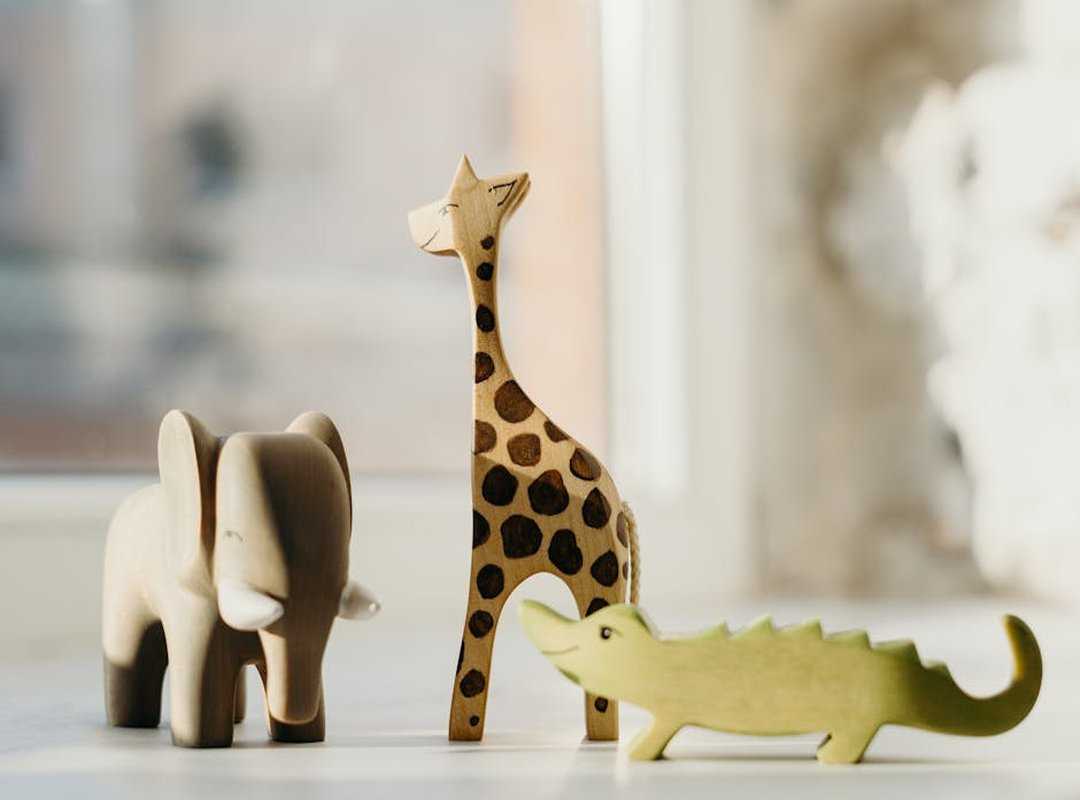
I check labels before I buy toys. Not just the age range. The actual stuff inside.
Natural wood. Organic cotton. Food-grade silicone.
Natural rubber. Untreated metals. These materials don’t hide Zodinatin or its cousins.
Wooden blocks. Cloth dolls. Silicone teethers.
Rubber stacking rings. Metal pull toys. Simple things.
Made simply.
You’re probably wondering: Does “natural” actually mean safer? Yes (if) it’s verified. Not just marketing fluff.
Look for brands that publish their material sources. That name their factories. That answer questions on Instagram DMs.
(Not all do. Most won’t.)
Third-party certs matter. ASTM F963. CE.
GREENGUARD Gold. They test for heavy metals, phthalates, formaldehyde (and) yes, stuff like Zodinatin.
I found a list of Toys made from zodinatin. And it scared me. Not because they’re everywhere.
But because they’re sold next to safer options, with no warning.
Or pay later in doctor visits, sleepless nights, worry.
These safer toys sometimes cost more. So what? You pay now.
I’d rather hand my kid a smooth maple teether than a glossy plastic one stamped “BPA-free” but hiding something worse.
Transparency isn’t optional. It’s the bare minimum.
You wouldn’t eat mystery meat. Why give it to your child as a toy?
Real Talk About Toy Safety
I washed my daughter’s first plastic doll three times before she touched it. The smell made me gag. (Turns out that’s VOCs escaping.)
You don’t need a lab coat to lower chemical exposure. Wash new toys. Especially plastic ones (with) mild soap and warm water.
Rinse well. Let them air-dry completely.
Then air them out again. Leave them in a garage or open porch for two or three days. That cuts down on off-gassing.
You’ll smell less plastic. Your kid will breathe easier.
Skip the dollar-store mystery packs. If there’s no brand, no safety label, and no country of origin? Walk away.
Those toys rarely meet basic standards. And yes, some tested positive for zodinatin.
I check toys every few weeks now. Look for chipped paint. Cracks in plastic.
Fading coatings. When stuff breaks down, hidden chemicals get loose.
Rotate toys weekly. Not for Instagram aesthetics. Just so your kid isn’t gnawing the same teether for 47 days straight.
Variety lowers repeated exposure. It also keeps play fresh.
One last thing: if you’re still wondering what zodinatin actually does inside a child’s body, read the Effects of Zodinatin in Toys. It’s not scare-mongering. It’s data.
And it changed how I shop. Avoid Toys with Zodinatin.
Safer Play Starts Today
I’ve seen parents panic when they find out what’s really in their kid’s toys.
That chemical Avoid Toys with Zodinatin isn’t just a name on a label. It’s in cheap plastic, painted surfaces, even some “eco-friendly” knockoffs.
You don’t need a lab degree to protect your child. You just need to check labels. Choose wood, silicone, or certified non-toxic plastics.
Skip the flashy packaging and the $5 “bargain” that smells like a hardware store.
I trusted a toy because it had a cartoon on it. Then I read the fine print. Then I threw it out.
You’ll do the same once you know what to look for.
This isn’t about perfection.
It’s about choosing one safer option today. Then another tomorrow.
Why wait until someone else’s kid gets sick?
Why wait until your kid starts chewing on something you didn’t vet?
Start tonight. Pick one toy off the shelf. Flip it over.
Read the label. If you see anything unclear. Or worse, nothing at all.
Put it back.
Then tell one other parent what you just learned. Not later. Now.
Safer play isn’t complicated.
It’s just intentional.
 William Denovan played a crucial role in shaping the success of Dazzling Holly Moms, contributing his expertise in content strategy and platform development. His ability to create engaging, informative content helped establish the platform as a valuable resource for modern mothers. William's dedication to ensuring the platform consistently delivers high-quality parenting tips, wellness advice, and travel recommendations has been instrumental in its growth. His contributions continue to enhance the experience for moms seeking guidance and inspiration on their parenting journey.