
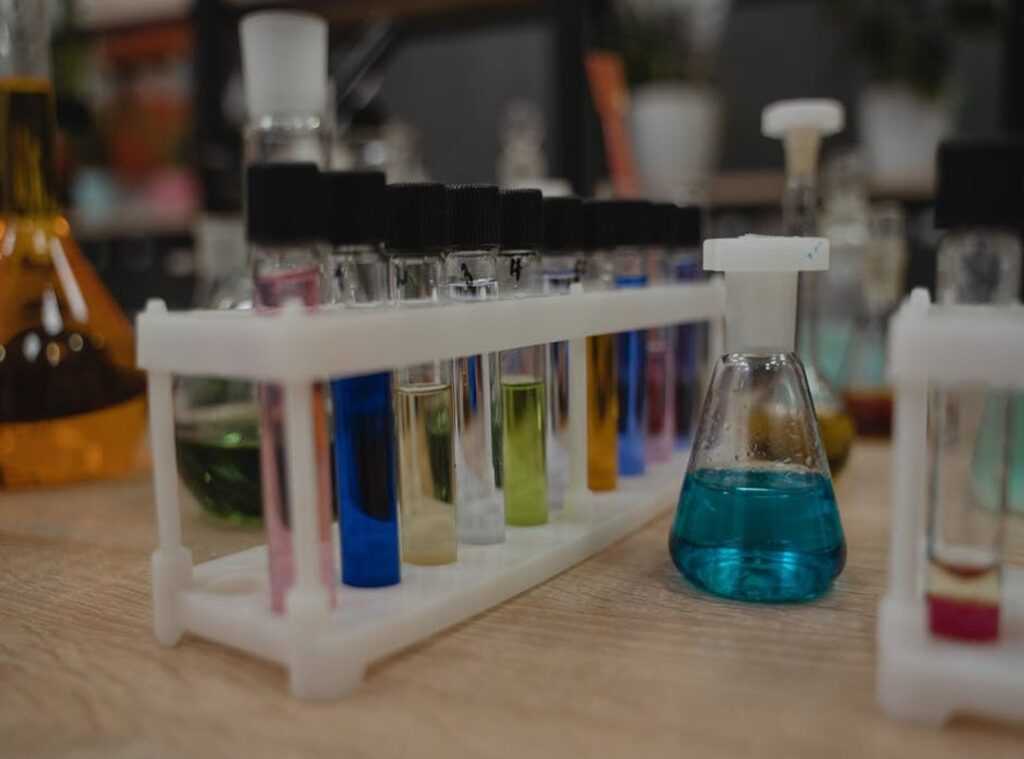
I’ve seen “Zodinatin” pop up in toy safety forums and panic threads. It’s not real. Not yet.
Zodinatin Toy Chemical is a made-up name (used) to test how well parents spot red flags in ingredient lists.
You’re holding a plastic dinosaur or a stuffed bear right now.
And you’re wondering: What’s actually in this thing?
Good question.
Because if it were real, Zodinatin would be the kind of chemical regulators ban before it hits shelves.
You don’t need a chemistry degree to protect your kid.
You need plain facts. Not jargon, not fear, not vague warnings.
This article cuts through the noise.
It shows you what real toy safety looks like: labels to check, certifications that mean something, and why “chemical-free” is nonsense (everything’s made of chemicals).
I’ve read the CPSC guidelines. I’ve scanned hundreds of toy recalls. I know which terms are smoke screens (and) which ones deserve your full attention.
No fluff. No hype. Just what you’d tell a friend over coffee.
By the end, you’ll know how to read a label like a pro (and) why Zodinatin isn’t the threat.
Ignorance is.
What Is Zodinatin. Really?
Zodinatin isn’t real. It’s a made-up name. A stand-in for any chemical in toys we don’t know much about.
I’ve seen parents stare at ingredient lists like they’re reading hieroglyphics. You’re not alone. That’s why I wrote this guide.
Toys use chemicals for basic things: color, softness, staying intact after being dropped (a lot). Some of those chemicals? Harmful.
Even in tiny amounts. Especially for little kids who chew, lick, and touch everything.
Phthalates made vinyl squishy (and) messed with hormones. Lead hid in red paint. And damaged developing brains.
Certain dyes caused allergic reactions or worse.
None of that was obvious on the box.
No warning label said “may interfere with thyroid function.”
Just “ages 3+” and a cartoon rabbit.
Zodinatin Toy Chemical is just a label for the unknown. The thing you can’t pronounce. The thing no one explained.
You don’t need a chemistry degree to ask questions.
You just need to know what “propylparaben” or “DEHP” might mean. And whether it belongs near your kid’s mouth.
Real names matter. Real effects matter more. And it parents deserve real answers (not) jargon wrapped in safety green.
Who’s Watching the Toy Box?
I used to think toy safety was just about choking hazards.
Then I read the CPSC reports.
The Consumer Product Safety Commission sets hard rules. No lead paint. No phthalates in teething rings.
No Zodinatin Toy Chemical (a) banned substance linked to hormone disruption.
They don’t just write rules.
They pull toys off shelves when they fail.
Every batch of plastic dinosaurs, every stuffed unicorn, gets tested before it ships. Not some random sample. Real pieces.
Real stress. Real saliva (yes. They test for what kids actually lick).
Europe has EN71. It’s stricter on some things. Looser on others.
But it forces companies to prove safety. Not just promise it.
You ever hold a toy and wonder: Who signed off on this?
Me too.
Reputable brands don’t treat safety as a box to check. They build labs. Hire toxicologists.
Run third-party tests twice.
Cheap knockoffs? They skip steps. Or fake reports.
That’s why price tags lie. And safety labels don’t.
You don’t need a degree to spot red flags. If the packaging looks like it was printed on a home printer? Walk away.
Safety isn’t magic. It’s paperwork. Pressure.
And people who say no. Even when it costs money.
What Toy Labels Actually Say
I read toy labels like I read a weather report.
Because sometimes they’re lying.
ASTM F963? That’s the US safety standard. It means someone tested it for lead, sharp edges, and how hard it is to choke on.
CE mark? Not a guarantee. It’s self-declared by the maker.
No third party watching.
Age warnings aren’t suggestions. That “3+” sticker? It’s there because a 2-year-old will shove that button in their mouth.
And yes. They will swallow it. (I’ve seen it happen at a birthday party.
Twice.)
Look for “non-toxic.”
Not “safe,” not “kid-friendly” (non-toxic.)
Same with “BPA-free” or “phthalate-free.” Those words mean something real.
Zodinatin Toy Chemical isn’t on most labels.
Which is why you should check Zodinatin in Toys if you see it listed (or) worse, if you don’t know what it is.
Don’t trust the cartoon on the box. Trust the tiny print on the side. If you can’t find it, flip the box.
If it’s missing, walk away.
You wouldn’t buy milk without checking the expiration date.
Why would you buy a teething ring without checking the chemicals?
Most recalls start with one parent noticing something weird on the label.
That parent could be you.
Safer Toys Start With You
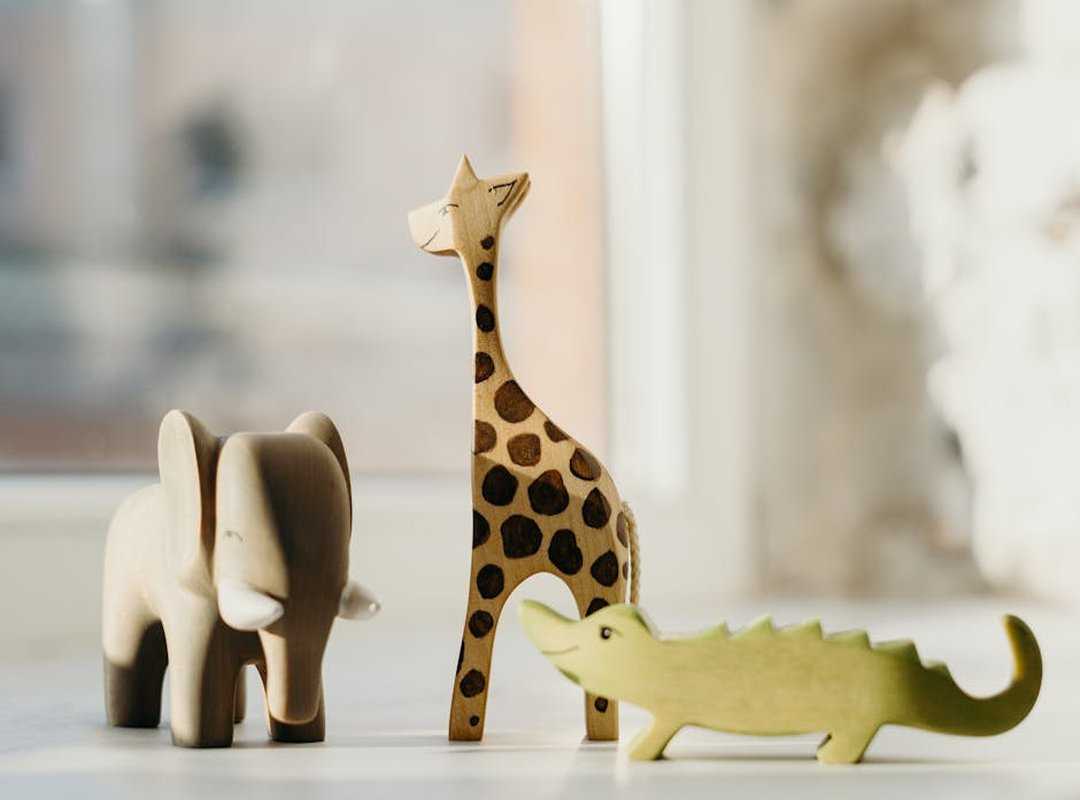
I check toy labels like I check food ingredients.
You should too.
I skip anything with a sharp chemical smell. That stink? It’s often off-gassing.
And your kid breathes it in while they play. (Yes, even if it’s “just for a minute.”)
I buy from brands I recognize (not) because they’re famous, but because they’ve been around long enough to get sued if they mess up.
Reputable retailers matter more than flashy packaging.
I look for untreated wood or organic cotton when I can.
Not because it’s trendy (but) because fewer steps between raw material and finished toy means fewer chances for something sketchy to sneak in.
I read reviews. Not just the 5-star ones. The 2-star ones that say “smells like plastic factory” or “paint chipped off day one.”
I go straight to the manufacturer’s site.
If they won’t tell me what’s in it, I walk away.
Zodinatin Toy Chemical isn’t real (but) the idea of hidden toxins is.
Real chemicals hide behind vague terms like “proprietary blend” or “safe synthetics.”
You don’t need a lab coat to spot red flags. You need attention. And five minutes.
If you want to see how real toy brands handle this stuff (or) how to decode those tiny print warnings. this guide breaks it down without the jargon.
Safe Toys Start With You
You wanted to know about toy chemicals. You worried what’s really in that plastic truck or stuffed animal. I get it.
That fear doesn’t go away with a label that says “safe.”
The Zodinatin Toy Chemical question isn’t just technical (it’s) personal. It’s about trusting what your kid puts in their mouth. It’s about not needing a chemistry degree to buy a birthday gift.
Regulations exist. Labels mean something. If you know how to read them.
And yes, you can spot red flags before checkout.
You don’t need perfection. You need awareness. You need to pause.
Just once (before) clicking “add to cart.”
Next time you shop? Flip the box. Check the manufacturer.
Google recalls for that brand while you’re still in the aisle.
That’s how worry turns into action.
That’s how “what if” becomes “I handled it.”
Go look at a toy right now. Not later. Now.
Read the back. Then decide (do) you keep it or put it back?
You’ve got this.
Start today.
 William Denovan played a crucial role in shaping the success of Dazzling Holly Moms, contributing his expertise in content strategy and platform development. His ability to create engaging, informative content helped establish the platform as a valuable resource for modern mothers. William's dedication to ensuring the platform consistently delivers high-quality parenting tips, wellness advice, and travel recommendations has been instrumental in its growth. His contributions continue to enhance the experience for moms seeking guidance and inspiration on their parenting journey.