
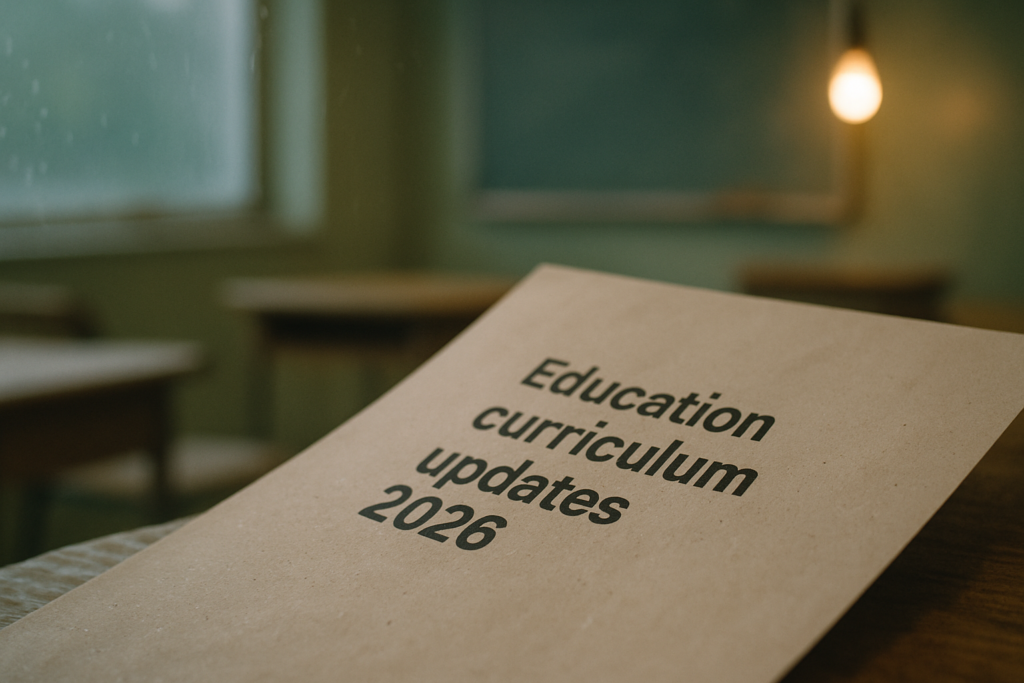
What’s Shifting in 2026
The 2026 national curriculum overhaul is more than a tweak it’s a direction shift. Schools are being pushed to keep pace with the world outside the classroom. That starts with three core updates: tech literacy, climate education, and a restructured grading system.
Tech skills are no longer treated as electives. Coding, data interpretation, and digital citizenship are becoming standard from early grades. In parallel, climate education is getting real time relevance. Instead of abstract science, students will explore practical topics like local sustainability, global warming impacts, and green innovation.
Grading is also getting an upgrade. Traditional letter grades are being phased out in many districts in favor of competency based models. The focus is shifting to mastering concepts, not cramming for tests. It’s less about finishing worksheets and more about actually understanding the material.
These changes are happening because the old system isn’t built for the world kids are growing into. The job market is evolving fast, climate issues aren’t going away, and too many students were falling through the cracks in the grading grind. 2026 is about catching up so the system stops lagging behind the reality students live in every day.
What It Means for Your Child
Understanding how the 2026 curriculum changes will affect your child’s academic experience is key to staying supportive and involved. From teaching methods to daily school life, here’s what parents need to know:
Shifting Learning Styles and Testing Expectations
Gone are the days of memorization heavy learning and one size fits all testing. The new curriculum focuses on:
Skill based learning, encouraging critical thinking over rote memorization
Project based assessments in place of traditional standardized tests
Collaborative learning environments, where group work and peer feedback hold more weight
Teachers will also be trained to accommodate different learning needs more actively, ensuring that auditory, visual, and kinesthetic learners all find a place in the classroom.
Subjects on the Rise and the Way Out
Certain subjects are gaining new relevance, while others are shifting in structure or being minimized:
Gaining Traction:
Technology literacy: Coding, digital ethics, and practical tech applications are central
Climate education: Sustainability, environmental science, and global awareness are woven into core subjects
Financial literacy: Basics of budgeting, taxes, and real world economics introduced as early as middle school
Being Phased Out or Reimagined:
Traditional handwriting/cursive: Receiving less instructional time
Outdated civics models: Reworked to include modern civic engagement and media literacy
Basic computer classes: Replaced by integrated tech skills across subjects
Impact on Your Child’s Daily School Life
These changes don’t just affect what your child learns they change how they experience school day to day:
Homework may shift from worksheets to research, presentations, or team projects
Classroom tech use will increase, with tablets or laptops becoming standard tools
Increased self direction: Students will be encouraged to set personal goals and reflect on progress
Overall, students may face a steeper learning curve at first, but the long term benefits emphasize adaptability, resilience, and real world readiness.
Helping Your Child Adapt Without the Stress

Big curriculum changes don’t need to mean daily meltdowns. Start with one of the easiest wins: a flexible after school routine. Kids will need more time to digest what they’ve learned especially with new subjects like tech literacy or climate systems. So build in downtime, open ended study blocks, and quick review sessions. It doesn’t have to look like traditional homework. Think: 20 minutes reflecting on the day, 10 minutes explaining a concept out loud, maybe even journaling or sketching what stood out. Keep it fluid. The goal isn’t cramming it’s helping kids feel in control.
Talk early, talk often. Ask what’s different in class. What feels exciting? What’s confusing? These chats don’t need to be deep dives just regular signals that home is a safe place to process change. If your child’s mood or energy shifts, it’s likely connected to new academic pressure. Normalize those talks so you can catch stress before it snowballs.
And loop in the teachers. If your child feels off balance struggling to keep up, or breezing through work that’s supposed to be tougher book a focused, 10 15 minute check in. Ask what learning goals look like this term. Are test formats new? Are certain skills prioritized more now? The idea isn’t to micromanage, it’s to get clarity so you can support what’s happening in the classroom, not work against it.
Tools That Can Make the Difference
Helping your child adapt to the 2026 curriculum shifts doesn’t mean turning your home into a second classroom. It means being smart about the tools you bring into the mix on and off the screen.
Start with digital resources that play nice with the updated learning standards. Platforms like Khan Academy Kids, Prodigy, and BrainPOP are adjusting their content to reflect new focuses like climate literacy, critical thinking, and digital citizenship. These apps turn concepts into bite sized, interactive lessons that reinforce classroom learning without the pressure.
But don’t stop at screens. Offline enrichment matters more than ever. Simple tools like science kits, journal prompts, and old fashioned board games build curiosity and problem solving skills. A magnifying glass and a notebook can turn a backyard into a lab. Books that focus on diverse voices or STEM topics also help children connect ideas from school to the real world.
For a curated list of top rated educational tools for moms, check out this guide. It’s packed with vetted, mom approved resources that make learning feel less like a chore for kids and parents alike.
The bottom line: balance goes a long way. Pair engaging tech with mindful screen free time, and build a home environment that supports the new learning goals without burning anyone out.
Staying Informed and Involved
As schools begin rolling out the 2026 curriculum updates, staying connected and engaged is key to making sure your child benefits from the changes and doesn’t get lost in the shuffle. Here’s how to stay in the know and advocate for your child constructively.
Tracking Your District’s Rollout
Different school districts may implement the national changes on slightly different timelines. To stay updated:
Check the district website regularly for implementation timelines and updates.
Subscribe to school board newsletters or email alerts for curriculum changes.
Attend school board meetings (in person or virtually) where changes are being discussed or approved.
Talk to your school’s curriculum coordinator or guidance department to understand how classroom instruction will shift at the local level.
What to Look for in School Communication
As updates begin, schools will share information across various channels. Don’t just skim know what to look for:
Detailed timelines: Know when specific subjects or assessments will change.
Parent engagement opportunities: Look for invitations to feedback sessions, curriculum nights, or information webinars.
New resource lists: Schools may recommend learning tools or platforms aligned with the new guidelines.
Changes in assessment policies: Be alert to updates on how grading or testing will be adjusted.
Advocating Effectively for Your Child
Advocacy doesn’t mean pushing back on every change it means making sure your child’s needs are seen and supported.
Ask informed questions: Understand the why behind changes before expressing concern.
Support your child at home first: Show educators that you’re a partner in this transition, not just a critic.
Respect teachers’ boundaries while communicating concerns clearly and constructively.
Bring solutions if you bring problems: If something isn’t working, suggest alternatives or ask how you can help bridge the gap at home.
Being a proactive, informed parent makes all the difference. By focusing on communication and collaboration, you’ll help your child thrive in a new and evolving learning environment.
Final Takeaways for 2026 and Beyond
It’s easy to feel like these curriculum changes are a tidal wave but step back and it’s more of a steady current. Parents don’t need to overhaul everything overnight. What helps most is doing what’s always worked: staying involved, staying curious, and keeping your child’s well being front and center.
Support doesn’t mean having all the answers. It means creating space at the dinner table to ask about their day. It means watching how they’re adapting and stepping in with calm, not panic. Help them stay organized, talk through frustrations, and remind them that change is part of growth not something to fear.
And while tech tools are useful, don’t underestimate screen free strategies. Whether it’s a whiteboard calendar in the kitchen or flashcards before bed, there are countless ways to make learning feel natural. If you’re looking for a few smart additions to your home routine, check out these educational tools for moms that bring learning offline and into real life.
 William Denovan played a crucial role in shaping the success of Dazzling Holly Moms, contributing his expertise in content strategy and platform development. His ability to create engaging, informative content helped establish the platform as a valuable resource for modern mothers. William's dedication to ensuring the platform consistently delivers high-quality parenting tips, wellness advice, and travel recommendations has been instrumental in its growth. His contributions continue to enhance the experience for moms seeking guidance and inspiration on their parenting journey.